Back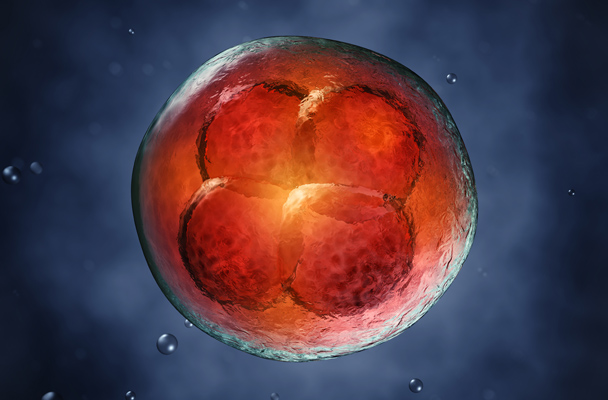
IVF Treatment
Factors Affecting the Success of IVF Treatment
The prospective mother’s age, ovarian reserve and quality, embryo quality, uterine conditions, lifestyle, sperm factors and treatment center may affect IVF success. Learn what endometrial scratching is.
Factors Affecting the Success of IVF Treatment
Age of the Prospective Mother: This is the most important factor affecting success. For prospective mothers over the age of 35, the chance of success with IVF treatment begins to decrease.
Ovarian Reserve and Quality: The number and quality of eggs decrease with age. Good-quality eggs are important for the development of good-quality embryos; therefore, it is very important for couples considering IVF treatment not to lose time.
Embryo Quality: The genetically and physically healthy development of eggs fertilised in the laboratory determines the success of implantation in the uterus.
Uterine (Endometrial) Problems: Fibroids, polyps, infection (such as hydrosalpinx) or structural abnormalities in the uterine wall may make it more difficult for the embryo to implant.
Lifestyle Factors: Smoking and alcohol use negatively affect egg quality and blood flow within the uterus, significantly reducing the chance of success. Excess weight (obesity) also negatively affects the treatment process and success rates.
Sperm Factor: Sperm count, motility and DNA structure directly affect embryo quality.
The Clinic and Specialist Team: The clinic’s technological equipment, laboratory conditions and the experience of its physicians and embryologists play a major role in success.
What Is Endometrial Scratching (Uterine Lining Stimulation)?
In IVF treatment, this is a procedure in which a controlled mechanical micro-injury is made to the uterine lining (endometrium). The aim is to increase the likelihood of the embryo implanting in the uterus. Also known as “scratching the uterus,” this method triggers the body’s natural healing mechanism after an injury.
A repair process begins in the scratched area, and growth factors and hormones prepare an environment for the embryo to implant.
The procedure is generally performed in the second half of the menstrual cycle before embryo transfer (around day 21).