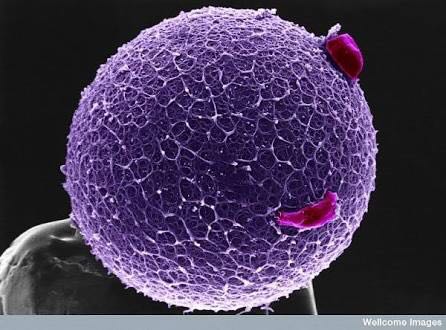
Egg Freezing (Vitrification)
Vitrification has turned egg freezing into a reliable fertility-preservation option. It is offered for social reasons—when career or personal circumstances delay child-bearing—and as oncological fertility preservation before chemotherapy or radiotherapy. Post-thaw oocyte survival exceeds 85% and the eggs are fully usable for ICSI.
Why Social Egg Freezing?
Egg quantity and quality begin to decline at age 30 and drop more sharply after 35. Women who delay childbearing for career, partner or financial reasons can freeze their eggs between ages 27–35 to preserve a younger biological clock for future pregnancy.
Oncological Fertility Preservation
Chemotherapy and radiotherapy used in breast cancer, lymphoma and many other malignancies damage ovarian function. A 10–14 day stimulation protocol can collect eggs before treatment begins; emergency protocols coordinated with the oncologist can shorten this further.
Procedure and Storage
The cycle follows the IVF stimulation and retrieval steps: 10–12 days of controlled ovarian stimulation, ultrasound monitoring, hCG trigger and OPU. The mature oocytes are vitrified within seconds to −196°C and stored in liquid-nitrogen tanks for as long as needed. Storage duration does not influence later pregnancy chances.
Thawing and Use
When the patient is ready for pregnancy, her endometrium is prepared with estrogen. Eggs are thawed and ICSI is used to inject one sperm into every mature egg. The best embryo is transferred 3–5 days later. At Doğuş IVF Center, thaw-cycle pregnancy rates range from 35–55% depending on egg number and the patient’s age at the time of freezing.
Treatment Steps
- 1Ovarian Stimulation
- 2Egg Retrieval
- 3Vitrification
- 4Cryostorage
Who Is It For?
- Women aged 27–38 delaying motherhood
- Patients about to start chemo/radiotherapy
- Women with low ovarian reserve who need to bank eggs
- Single women preserving future fertility
Frequently Asked Questions
How long can eggs be stored?
Vitrified eggs can remain in storage for 10–20+ years; duration does not affect success rates.
How many eggs do I need?
For one pregnancy, banking 8–15 mature eggs is recommended; the number increases with age.
Are there side effects?
Mild bloating and tenderness are common; serious side effects are rare with proper protocols.
What is the post-thaw success rate?
35–55% depending on egg count and the woman’s age at freezing.