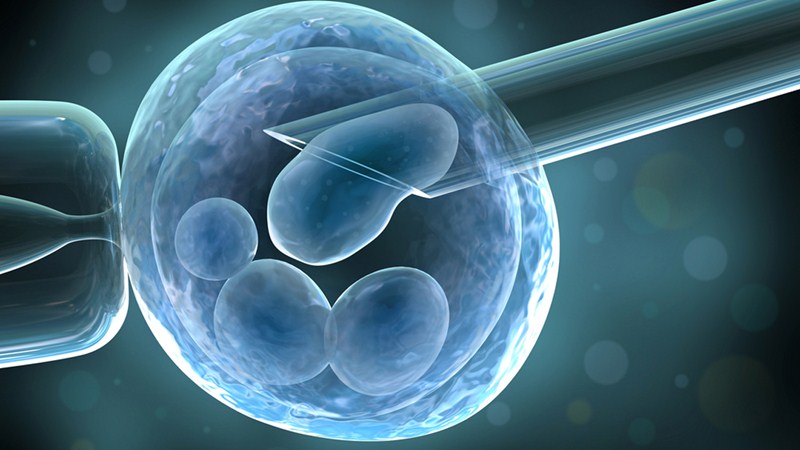
PGT / PGD – Preimplantation Genetic Testing
Preimplantation Genetic Testing (PGT/PGD) analyses a small biopsy from each embryo using next-generation DNA sequencing before transfer. It both eliminates the risk of delivering a baby with a genetic abnormality and substantially raises IVF success rates. Doğuş IVF Center performs PGT-A (aneuploidy screening), PGT-M (single-gene disorders) and PGT-SR (structural rearrangements).
PGT-A vs PGT-M vs PGT-SR
PGT-A counts the embryo’s 23 pairs of chromosomes and detects aneuploidies such as Down syndrome (trisomy 21), Edwards and Patau; it dramatically improves embryo selection in women over 35. PGT-M targets a specific single-gene disorder when one or both parents are carriers (thalassemia, cystic fibrosis, SMA, Huntington and others). PGT-SR is for couples with balanced translocations or other structural rearrangements.
PGT Workflow
On day 5 of culture, when embryos reach the blastocyst stage, the embryologist takes a 5–10 cell biopsy from the trophectoderm (the layer that will form the placenta). The biopsy is shipped to the genetics laboratory where NGS results return in 7–10 days. Embryos are vitrified during this period; the genetically healthy embryo is then thawed and transferred in a subsequent cycle.
Conditions Detected with PGT
Single-gene disorders (PGT-M): β-thalassemia, sickle cell anemia, SMA, cystic fibrosis, Duchenne muscular dystrophy, Huntington, haemophilia, fragile X. Chromosomal anomalies (PGT-A): Down, Edwards, Patau, Turner, Klinefelter. PGT-SR for balanced translocations, inversions, mosaicism. HLA typing makes it possible to conceive a sibling whose stem cells can treat an existing affected child.
Who Should Consider PGT?
Couples with maternal age 35+, known carriers of inherited disorders, repeated IVF failure, recurrent miscarriage, severe male factor, balanced-translocation carriers and families at risk for sex-linked disorders benefit most from PGT.
Treatment Steps
- 1Embryo Biopsy
- 2Genetic Analysis (NGS)
- 3Embryo Selection
- 4Embryo Transfer
Who Is It For?
- Maternal age 35+
- Genetic disorder carriers
- Repeated IVF failure
- Recurrent miscarriage
- Severe male factor
- Balanced translocation carriers
- X-linked disease risk
Frequently Asked Questions
Can sex be selected with PGT?
Yes, when there is a medical indication (sex-linked disease) or when family balancing is legally permitted, the sex is identified during chromosome analysis.
Does the biopsy harm the embryo?
Modern blastocyst biopsy performed by experienced embryologists does not damage the embryo or reduce pregnancy rates; in fact implantation rates are higher with genetically normal embryos.
How long do results take?
NGS results are usually ready in 7–10 days. Embryos are vitrified during this period.
Does PGT guarantee pregnancy?
PGT ensures the transferred embryo is genetically healthy, but pregnancy depends on additional factors such as uterine health and implantation.