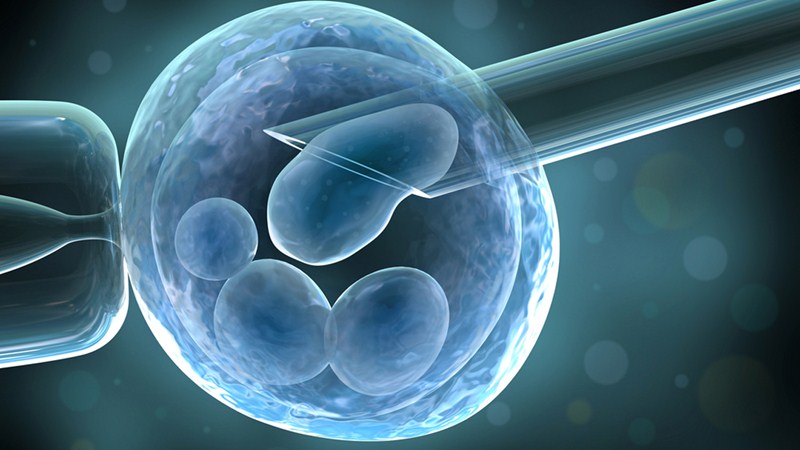
Embryo Freezing
Embryo freezing has been clinically used for nearly 25 years and modern vitrification delivers post-thaw survival rates above 95%. Compared to the older slow-freezing technique, vitrification eliminates ice-crystal damage to the embryo. At Doğuş IVF Center we cryopreserve every viable surplus embryo from an IVF cycle so couples can attempt additional pregnancies at much lower cost without repeating full treatment.
How Vitrification Works
Vitrification is an ultra-rapid technique that brings the embryo to −196°C in seconds. Embryos are equilibrated in cryoprotectants and plunged into liquid nitrogen, turning into a glass-like solid without forming ice crystals. Cellular architecture is preserved and embryos remain viable for many years.
Frozen Embryo Transfer (FET)
In the cycle planned for thawing, the patient’s endometrium is prepared with estrogen and progesterone. On the chosen day the embryo is thawed within minutes and transferred via the standard procedure. FET cycles offer a more physiologic endometrium and have shown equal or higher implantation rates than fresh transfers in many studies.
Which Embryos Are Frozen?
Embryos suitable for freezing are blastocysts of good or top morphological quality on day 5. All embryos undergoing PGT-A are vitrified automatically while results are pending. Low-quality embryos are not frozen because their post-thaw survival is poor.
Storage Duration and Legal Framework
Embryos can be stored for ten years or more within local regulations; storage time does not affect pregnancy chances. Doğuş IVF Center collects written consent at every step, including provisions in case of separation or divorce.
Treatment Steps
- 1Embryo Selection
- 2Vitrification
- 3Cryostorage
- 4Thawing
- 5Embryo Transfer
Who Is It For?
- IVF couples with surplus high-quality embryos
- Patients planning a frozen embryo transfer (FET)
- All PGT cycles (during the wait for results)
- Freeze-all strategy when OHSS risk is present
Frequently Asked Questions
Are frozen embryos as successful as fresh?
Yes. With modern vitrification, frozen blastocyst transfers achieve pregnancy rates equal to or higher than fresh transfers.
Does storage duration affect success?
No. Pregnancy rates do not differ between embryos stored for months versus 10 years.
How long is an FET cycle?
About three weeks from menstruation to transfer: 12–14 days of estrogen, then progesterone before the transfer.
Can embryos be shipped abroad?
Yes. International transport is possible with cryo-shippers and the proper legal procedures.