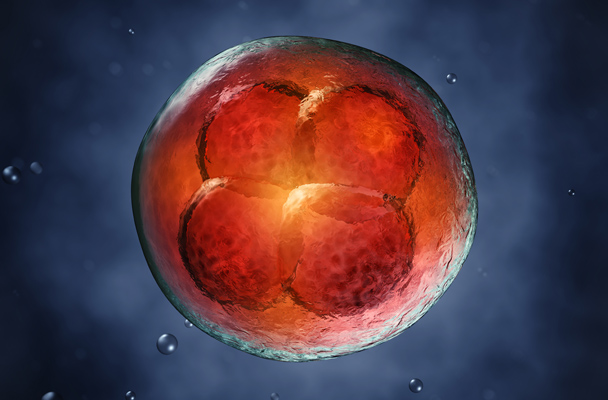
Embryo Donation
Embryo donation is a comprehensive option for couples in whom neither the female partner can produce eggs nor the male partner can produce sperm. Embryos donated by other couples—after full health and genetic screening—are transferred to the recipient’s prepared uterus. It is a practical, cost-efficient alternative to combined egg and sperm donation.
Who Is Embryo Donation For?
It is offered to couples in whom both partners have reproductive issues: women with premature menopause or removed ovaries paired with men who have azoospermia and no sperm retrievable via TESA/TESE. Couples who both carry an inherited genetic disorder, women with chromosome-related recurrent miscarriage and couples who prefer a single donation step instead of two are also candidates.
How Embryo Donation Works
Donor embryos are surplus, fully screened embryos cryopreserved by other couples after their own IVF treatment. The recipient’s endometrium is prepared with estrogen therapy. On the chosen day the embryo is thawed and transferred via a thin catheter through the cervix—a painless procedure that takes 10–15 minutes. A beta-hCG blood test is performed 12 days later.
Matching and Medical Safety
Donor embryos are matched to the recipient couple by phenotype (hair, eye and skin color, height, blood group) and ethnicity. All donor parents undergo extensive genetic carrier screening, karyotype analysis and infection screening (HIV, HBV, HCV, syphilis, CMV). PGT-A can be performed prior to transfer for additional safety.
Legal and Ethical Framework
Embryo donation is legal and anonymous in Northern Cyprus. The child belongs legally to the recipient couple. Identifying information is not exchanged between donors and recipients. The entire process is supervised by an ethics board with comprehensive counselling and consent.
Treatment Steps
- 1Embryo Selection
- 2Recipient Endometrial Prep
- 3Embryo Thawing
- 4Embryo Transfer
- 5Pregnancy Test
Who Is It For?
- Couples with absent eggs and sperm
- Both partners carrying genetic disorders
- Recurrent chromosomal miscarriage
- Couples preferring a single donation step
Frequently Asked Questions
How is it different from egg donation?
In egg donation the partner’s sperm is used and the embryo is created with you. In embryo donation both eggs and sperm come from a donor couple.
What will the child look like?
The donor couple is matched to your phenotype, so the child usually resembles the recipient couple closely.
Are donor embryos frozen?
Yes. All donor embryos are vitrified and stored; they are thawed before transfer.
What is the success rate?
Our clinical pregnancy rate is around 60–65%. Embryo quality, uterine health and recipient age determine the outcome.