PRP Treatment (Ovarian & Uterine)
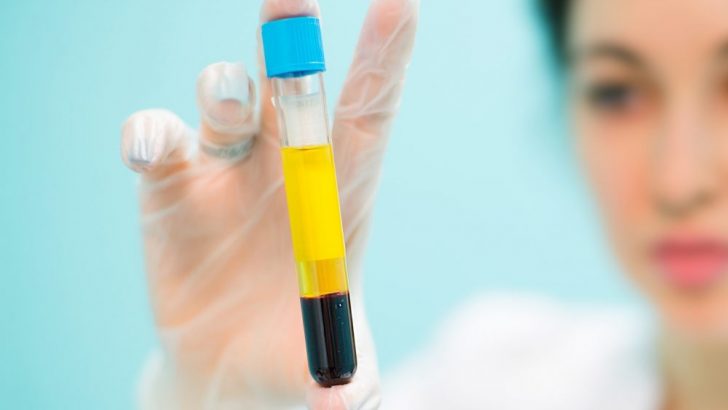
Platelet-Rich Plasma (PRP) therapy is an emerging adjunct in reproductive medicine for diminished ovarian reserve (DOR) and thin endometrium. Plasma centrifuged from the patient’s own blood—rich in growth factors such as PDGF, VEGF, EGF and TGF-β—is injected into the ovarian tissue or the uterine cavity to trigger cellular regeneration. PRP is used as an adjunct in selected cases; couples are fully informed about indications and the experimental aspects of the protocol.
Ovarian PRP
In women with low AMH, low antral follicle count or early menopausal signs, PRP is injected into the ovaries under ultrasound guidance. The goal is to stimulate functional reserve and follicular activity. The procedure lasts about 30 minutes under light sedation. Hormonal monitoring follows for 2–3 months and, if response is favourable, IVF is planned in the same window.
Uterine PRP
For thin endometrium (typically below 6–7 mm) or repeated implantation failure, PRP is delivered into the uterine cavity through a fine catheter before embryo transfer. Studies suggest PRP increases endometrial thickness, improves angiogenesis and supports implantation. The procedure takes 5–10 minutes without anaesthesia.
Process and Safety
Because PRP is derived from the patient’s own blood the risks of allergy, infection or rejection are extremely low. About 20–30 ml of blood is centrifuged, plasma is separated and activated, then injected. Mild cramping or spotting can follow; serious adverse events are very rare.
Realistic Outcomes
PRP does not by itself guarantee pregnancy, but in selected patients it can improve ovarian response and endometrial thickness. Studies of ovarian PRP report modest improvements in AMH and antral-follicle counts; uterine PRP studies show pregnancy rates 10–20% higher in selected cases. At Doğuş IVF Center decisions are individualised; PRP is recommended only when clearly indicated.
Treatment Steps
- 1Blood Collection
- 2PRP Preparation
- 3Ovarian or Uterine Injection
- 4Hormonal & Endometrial Follow-up
Who Is It For?
- Low AMH and diminished reserve
- Early menopausal signs
- Thin endometrium (<7 mm)
- Repeated implantation failure
- Endometrial atrophy after prolonged clomiphene
Frequently Asked Questions
Does PRP guarantee pregnancy?
No. PRP is an adjunct; success depends on age, baseline reserve and individual response.
How many sessions?
Ovarian PRP is usually performed twice 2–3 months apart; uterine PRP can be a single pre-transfer session.
Will my hormones change?
Some patients show transient improvement in AMH and antral follicle count, but the response is individual.
Can PRP replace donor treatment?
No. In severely diminished reserve egg donation remains a more reliable option.